An
automatic vacuum cleaner can quietly handle everyday floor cleaning while we focus on work, family, or simply enjoying the evening. Instead of pushing a traditional vacuum across the room, we can schedule or start a robot and let it navigate around furniture. Sounds convenient, right? Modern models can map rooms, detect obstacles, return to their docks, and even empty their own dustbins.
What Is an Automatic Vacuum Cleaner?
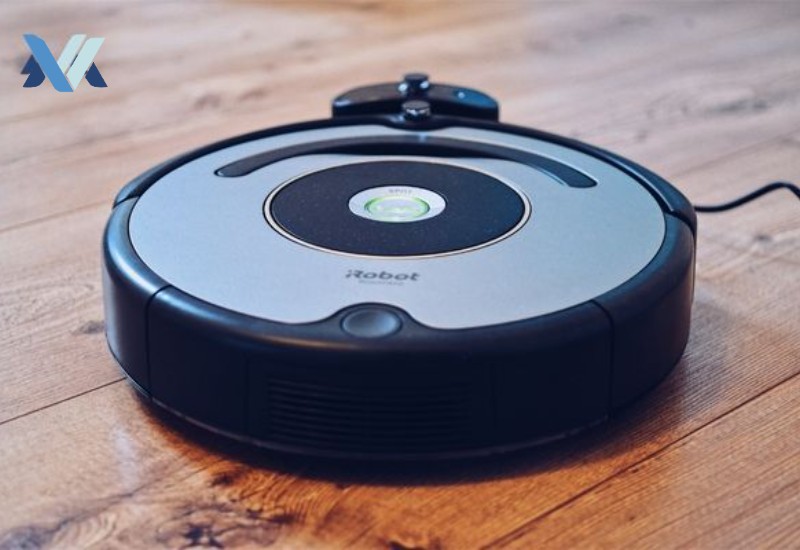
An automatic vacuum cleaner is a robotic cleaning device designed to move around floors with limited human input. Most models use sensors, software, brushes, and suction to collect dust and debris. Depending on the model, the robot may also mop, map rooms, avoid obstacles, or automatically empty its dustbin.
The basic idea has stayed simple. The machine moves across the floor, collects debris, and returns to its charging station when necessary. More advanced models add mapping and navigation technology, making their movements far more deliberate than the random patterns associated with older robot vacuums.
Current robot vacuum models can include LiDAR mapping, camera-based obstacle recognition, room mapping, app controls, and self-emptying stations. These features have become increasingly common, even outside the most expensive models.
How Does an Automatic Vacuum Cleaner Work?
An automatic vacuum cleaner combines several systems that work together. Wheels move the robot around the floor, while brushes loosen debris and suction pulls that debris into an internal dustbin. Sensors then help the machine understand its surroundings and avoid obvious obstacles.
Navigation technology makes the biggest difference between basic and premium models. Some robots use LiDAR to create detailed maps, while others use cameras, infrared sensors, or combinations of different technologies. For example, selected Roomba models use mapping systems to learn room layouts and support targeted cleaning.
Once a map exists, the robot can plan cleaning routes instead of wandering aimlessly. It may recognize rooms, clean specific areas, and return to unfinished sections after charging. That small change makes a noticeable difference in larger homes.
Robotic Vacuum Cleaner Features That Matter
When comparing a robotic vacuum cleaner, we should look beyond suction numbers. Navigation, brush design, filtration, battery performance, obstacle avoidance, and maintenance all affect the experience.
Mapping is especially useful in homes with multiple rooms. A mapped robot can identify where it has already cleaned and where it still needs to go. Some models also allow users to select individual rooms or create restricted areas through an app.
Obstacle avoidance deserves attention too. Cords, shoes, toys, and pet items can become frustrating little traps for a robot. Advanced systems use cameras or other sensors to recognize objects and navigate around them.
Smart Vacuum Cleaner vs. Basic Robot
A smart vacuum cleaner usually offers more than automatic movement. It may connect to a mobile app, save maps, support schedules, recognize rooms, or respond to voice commands.
That does not mean every premium feature is essential. A smaller apartment with mostly open flooring may not need advanced object recognition. A busy family home with pets, cables, toys, and several floor types is another story.
Some current models combine mapping with AI-powered obstacle recognition. ECOVACS, for example, uses AI-based object recognition and mapping on selected DEEBOT models. iRobot also offers object avoidance and smart mapping on selected Roomba products.
Does a Robot Floor Cleaner Actually Clean Well?
A robot floor cleaner can be very effective for routine maintenance. It is particularly useful for collecting everyday dust, crumbs, hair, and loose debris before they build up.
The real advantage is consistency. A traditional vacuum may sit in a closet because bringing it out takes effort. A robot can run regularly with much less involvement. That means yesterday’s crumbs under the dining table do not necessarily become next week’s cleaning project.
However, we should keep expectations realistic. Robot vacuums are not magical floor-cleaning machines. Deep carpet cleaning, stairs, upholstery, corners, and heavily soiled areas may still require a conventional vacuum.
What Is a Self-Cleaning Vacuum?
The term self-cleaning vacuum can be slightly confusing because it does not always mean the robot cleans every part of itself.
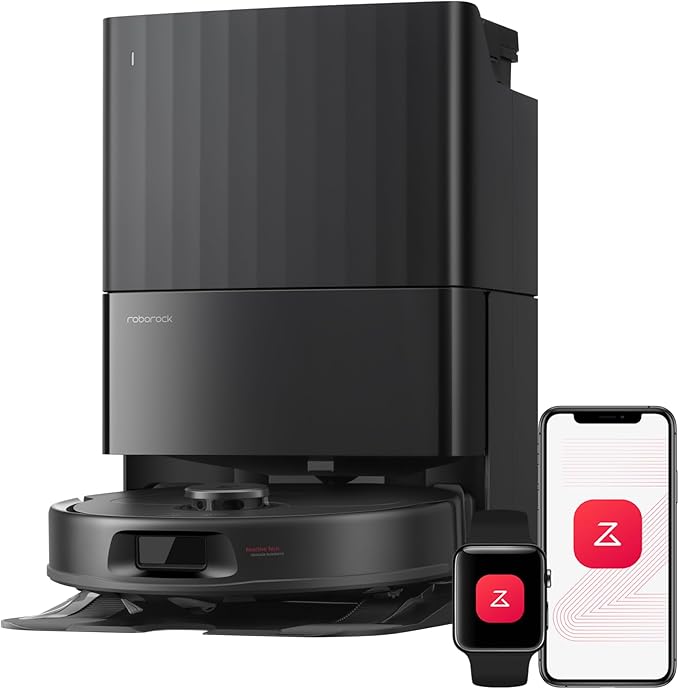
Usually, the phrase refers to features such as automatic dustbin emptying or a dock that performs some maintenance tasks. Certain premium systems can empty debris, wash mop pads, refill water, and dry the pads.
Self-emptying alone can already make a major difference. Some docks transfer collected debris from the robot into a larger bag or container. For example, iRobot’s current self-emptying systems can hold debris for extended periods before the bag needs attention.
Still, filters, brushes, sensors, wheels, and other components need periodic care. Automatic does not mean maintenance-free.
Automatic Vacuum Cleaner for Homes With Pets
Pet owners often have a different cleaning challenge. Fur gathers along baseboards, clumps around furniture legs, and somehow appears again minutes after vacuuming.
An automatic vacuum cleaner can help by running regularly instead of waiting for visible buildup. Some premium models include brush systems designed to reduce hair tangles, while others use object recognition to avoid pet-related obstacles.
For homes with shedding pets, look for a robot with strong brush performance, useful filtration, good obstacle avoidance, and easy brush maintenance. A self-emptying dock can also reduce the frequency of handling dusty debris.
Where Automatic Vacuums Can Struggle
No automatic vacuum cleaner is perfect. Dark areas, reflective surfaces, cables, thresholds, clutter, and unusual furniture layouts can challenge some navigation systems.
Thick carpets can also expose differences between models. A less capable robot may pick up surface debris reasonably well while struggling with embedded dirt. Battery capacity and cleaning patterns matter when a home is large.
There is another practical issue: preparation. Even advanced robots benefit from a reasonably tidy floor. Loose cables, socks, small toys, and similar objects can still cause trouble, although better obstacle-avoidance systems reduce the problem.
Is an Automatic Vacuum Cleaner Worth It?
For many households, an automatic vacuum cleaner is worth considering because it changes cleaning from an occasional chore into routine maintenance.
The biggest benefit is not necessarily stronger suction. It is the ability to clean without constant supervision. A robot can work while we are preparing dinner, working at a desk, or away from home.
The value becomes even clearer in busy homes. If dust and pet hair return quickly, frequent automated cleaning can keep floors looking presentable between deeper cleaning sessions. Current expert reviews also recognize automation, mapping, obstacle avoidance, and multifunction docks as major strengths of modern robot vacuums.
For shoppers who want to compare current options, we can also browse automatic robot vacuum options on Amazon and compare features, prices, reviews, and current availability.
What Should We Check Before Buying?
Start with the floor types in the home. Hard floors and low-pile carpets may have different requirements from thick rugs or high-pile carpeting.
Next, consider navigation. If the home has several rooms, furniture, pets, and clutter, stronger mapping and obstacle avoidance can be worthwhile. Check whether the robot supports room selection, no-go zones, and multi-floor maps if those features matter to us.
Finally, look at maintenance. A larger dustbin, self-emptying dock, washable filters, anti-tangle brushes, and accessible components can make ownership easier. These details are easy to overlook when the shiny specifications steal the attention.
Final Verdict
An automatic vacuum cleaner makes the most sense when convenience and consistent cleaning matter more than replacing every traditional cleaning tool. Modern robots can map rooms, avoid obstacles, collect everyday debris, and automate much of the routine work. Premium models can go even further with self-emptying and advanced docking systems.
They still have limits, though. Stairs, deep cleaning, complicated clutter, and certain carpets may require hands-on cleaning. For most busy households, the best approach is to treat a robot as a daily cleaning assistant rather than a complete replacement for every vacuum. That balance is where the technology really earns its place.
FAQs
How often should an automatic vacuum cleaner run?
The ideal schedule depends on household traffic, flooring, and pets. Homes with shedding pets may benefit from more frequent cleaning, while quieter spaces may need less.
Can an automatic vacuum cleaner replace a regular vacuum?
Usually, no. A robot is excellent for routine floor maintenance, but traditional vacuums remain useful for stairs, upholstery, corners, and deeper cleaning.
Do robot vacuums need Wi-Fi?
Not every model requires Wi-Fi for basic cleaning. However, connected models often use Wi-Fi for app controls, scheduling, maps, notifications, and smart-home functions.
Are self-emptying robot vacuums worth the extra cost?
They can be worthwhile for busy households because the dock transfers debris from the robot into a larger container. This reduces how often the onboard bin needs emptying.
Can robot vacuums clean pet hair?
Yes. Many models are designed to collect pet hair from floors and carpets. Buyers should still check brush design, suction performance, filtration, and anti-tangle features.
Does a robot vacuum clean corners?
Most robot vacuums use side brushes to reach along edges and near corners. However, their circular or rounded designs can leave some tight corners less thoroughly cleaned than a traditional vacuum.
What is the most important feature in a robot vacuum?
There is no single feature for every home. Navigation, obstacle avoidance, cleaning performance, battery life, maintenance, and dock automation should all be considered together.