<h2

>Breathe Easy: Finding the Best Vacuum for Allergies
Are you tired of constant sneezing and itchy eyes? The type of vacuum is best for allergies can be your secret weapon against indoor allergens like pet dander, dust mites, and pollen. By choosing the right vacuum with HEPA filtration and a sealed system, you can significantly improve your indoor air quality and experience relief from allergy symptoms.
This guide will help you find the perfect vacuum to create a healthier home environment.
Understanding Allergy Triggers
Before diving into vacuum options, it’s essential to grasp the culprits behind your allergies. Common allergens include:
- Pet dander: Tiny flakes of skin shed by animals
- Dust mites: Microscopic creatures that thrive in bedding, carpets, and furniture
- Pollen: Airborne particles from plants
- Mold: Tiny fungi that thrive in damp environments
These allergens can circulate through your home, triggering allergic reactions such as sneezing, runny nose, itchy eyes, and difficulty breathing. By understanding your specific triggers, you can select a vacuum that effectively targets them.
Key Features of an Allergy-Friendly Vacuum
To combat allergies, your vacuum needs specific features:
- HEPA Filtration: A true HEPA filter captures at least 99.97% of particles measuring 0.3 microns, including dust, pollen, pet dander, and other common indoor allergens. Look for vacuums with true HEPA filters; some manufacturers use misleading terms.
- Sealed Vacuum System: A sealed filtration system ensures that air passes through the HEPA filter before being exhausted, helping prevent captured allergens from leaking back into your home. This is essential for minimizing recontamination.
- Powerful Suction: Strong suction is necessary to lift embedded allergens from carpets and upholstery.
- Versatility: A vacuum that can handle various surfaces, including carpets, hardwood floors, and upholstery, is ideal for thorough cleaning.
- Easy Maintenance: Regular cleaning and filter replacement are vital for maintaining optimal performance. Choose a vacuum with accessible components for effortless upkeep.
Types of Vacuums for Allergies

Choosing the right type of vacuum is crucial for effective allergen removal. Let’s explore the pros and cons of popular options:
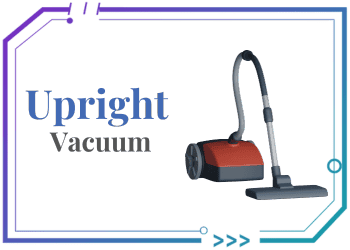
Upright Vacuums
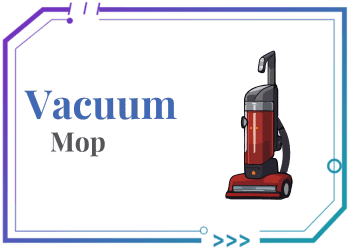
- Pros: Typically offers strong suction, is good for carpets, and often comes with attachments for versatility.
- Cons: Can be heavy and difficult to maneuver, may agitate allergens before capturing them if not equipped with proper filtration.
Canister Vacuums
- Pros: Excellent suction, great for various surfaces, often lighter and more maneuverable than uprights.
- Cons: It can be more expensive requiring pulling the unit behind you.
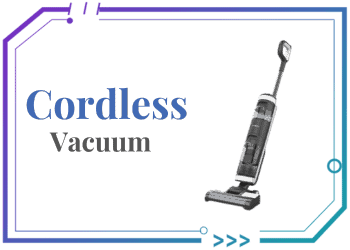
Cordless Vacuums
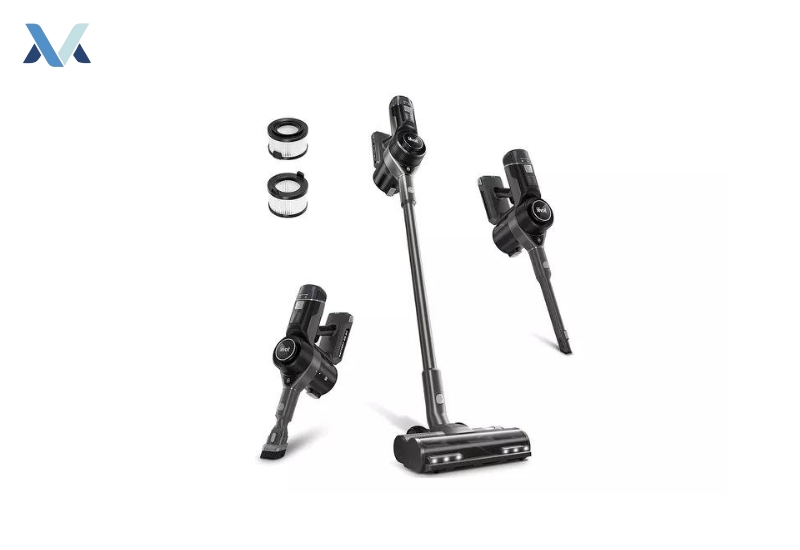
- Pros: Convenient and cordless, good for quick cleanups and stairs, many models offer strong suction.
- Cons: Battery life may be limited, and suction power can decrease as the battery drains, typically less powerful than corded options.
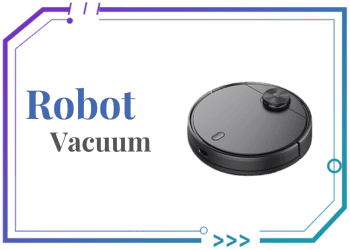
Robot Vacuums
- Pros: Convenient for daily cleaning, can help reduce allergen buildup, and often work on multiple surfaces.
- Cons: It may not have the same cleaning power as traditional vacuums, can get stuck or miss spots, and emptying the dustbin can be frequent.
Remember, the best vacuum for you depends on your specific needs, budget, and living situation. We’ll delve deeper into choosing the right vacuum in the next section.
Choosing the Right Vacuum
Selecting the perfect vacuum for your allergy needs involves considering several factors:
- Allergen Type: Identify your primary allergens (pet dander, dust mites, pollen, etc.) to focus on specific features.
- Home Size and Type: Consider the size of your home, carpet coverage, and types of flooring (hardwood, tile, carpet) to determine the best vacuum style.
- Budget: Set a realistic budget to narrow down your options.
- Lifestyle: Consider your cleaning habits, whether you have pets, and the frequency of vacuuming.
Additional Features to Consider
- HEPA Filter: Ensure it’s a true HEPA filter for maximum allergen capture.
- Sealed System: Look for vacuums with sealed construction to prevent allergen escape.
- Attachments: Versatile attachments are helpful for cleaning various surfaces and furniture.
- Noise Level: If noise is a concern, consider quieter models.
- Maintenance: Easy access to filters and dust cups is essential for regular cleaning.
By carefully evaluating these factors, you can choose a vacuum that effectively addresses your allergy concerns and improves your indoor air quality. Read more: Can a Cordless Vacuum Replace a Regular Vacuum? The Convenience vs. Power Debate

Maintenance Tips for Your Allergy-Friendly Vacuum
Proper maintenance is crucial to ensure your vacuum continues to effectively capture allergens. Follow these tips:
- Regular Filter Cleaning and Replacement: This is the most important step. Check your vacuum’s manual for specific instructions. HEPA filters may be washable or disposable.
- Empty the Dustbin or Bag Frequently: A full dustbin or bag reduces suction power and can cause allergens to escape.
- Clean or Replace the Brush Roll: Hair, pet fur, and debris can clog the brush roll, reducing cleaning effectiveness.
- Check for Blockages: Inspect hoses, attachments, and the vacuum’s interior for clogs that can hinder airflow.
- Proper Storage: Store your vacuum in a clean, dry place to prevent mold growth and dust accumulation.
Following these maintenance practices will prolong your vacuum’s life and ensure it continues to provide a healthy indoor environment.
Conclusion
Investing in a vacuum with a sealed HEPA filtration system, strong suction, and proper maintenance can help reduce indoor allergens and support better indoor air quality for allergy sufferers. By understanding your specific allergens, considering your lifestyle and home environment, and selecting a vacuum with appropriate features, you can create a healthier living space for yourself and your family.
Remember, regular maintenance is essential to maximize your vacuum’s performance and ensure it continues to capture allergens effectively. With the right vacuum and proper care, you can breathe easier and enjoy a more comfortable home environment.